The place to fight design wars is in new markets, where no one has yet managed to establish any fortifications. That's where you can win big by taking the bold approach to design, and having the same people both design and implement the product. Microsoft, Apple, and HP all did this at the start.
Key highlight
Big companies want to decrease the standard deviation of design outcomes because they want to avoid disasters. But when you damp oscillations, you lose the high points as well as the low. This is not a problem for big companies, because they don't win by making great products. Big companies win by sucking less than other big companies.
Highlights (7)
A programming language is for thinking of programs, not for expressing programs you've already thought of. It should be a pencil, not a pen. We need a language that lets us scribble and smudge and smear, not one where you sit with a teacup of types balanced on your knee making polite conversation with a strict old aunt of a compiler.
Hackers start original and get good; scientists start good and get original. You learn to hack by hacking — writing bad programs of your own at thirteen — not by taking courses. The analog is painting, not science.
Empathy is probably the single most important difference between a good hacker and a great one. Software has to explain itself: users walk up with no preparation and won't read the manual, so it had better do what they guess it will.
Be just as worried about premature design as about premature optimization — deciding too early what a program should do. Write programs (and pick languages) that admit the spec will change on the fly; the easiest program to change is one that's very short.
Relentlessness wins because, in the aggregate, unseen details become visible. Great software requires a fanatical devotion to beauty — the parts no one is supposed to see should be beautiful too, like Leonardo painting every leaf of the juniper bush behind Ginevra de Benci's head.
The right way to collaborate is to divide projects into sharply defined modules, each with a definite owner, with interfaces as carefully articulated as programming languages. When three or four people hack on the same code with no real owner, it ends up like a common room — bleak, abandoned, accumulating cruft.
Discover the greatest founder wisdom on the internet.
Subscribe to get one timeless startup resource in your inbox every week day.
Keep reading
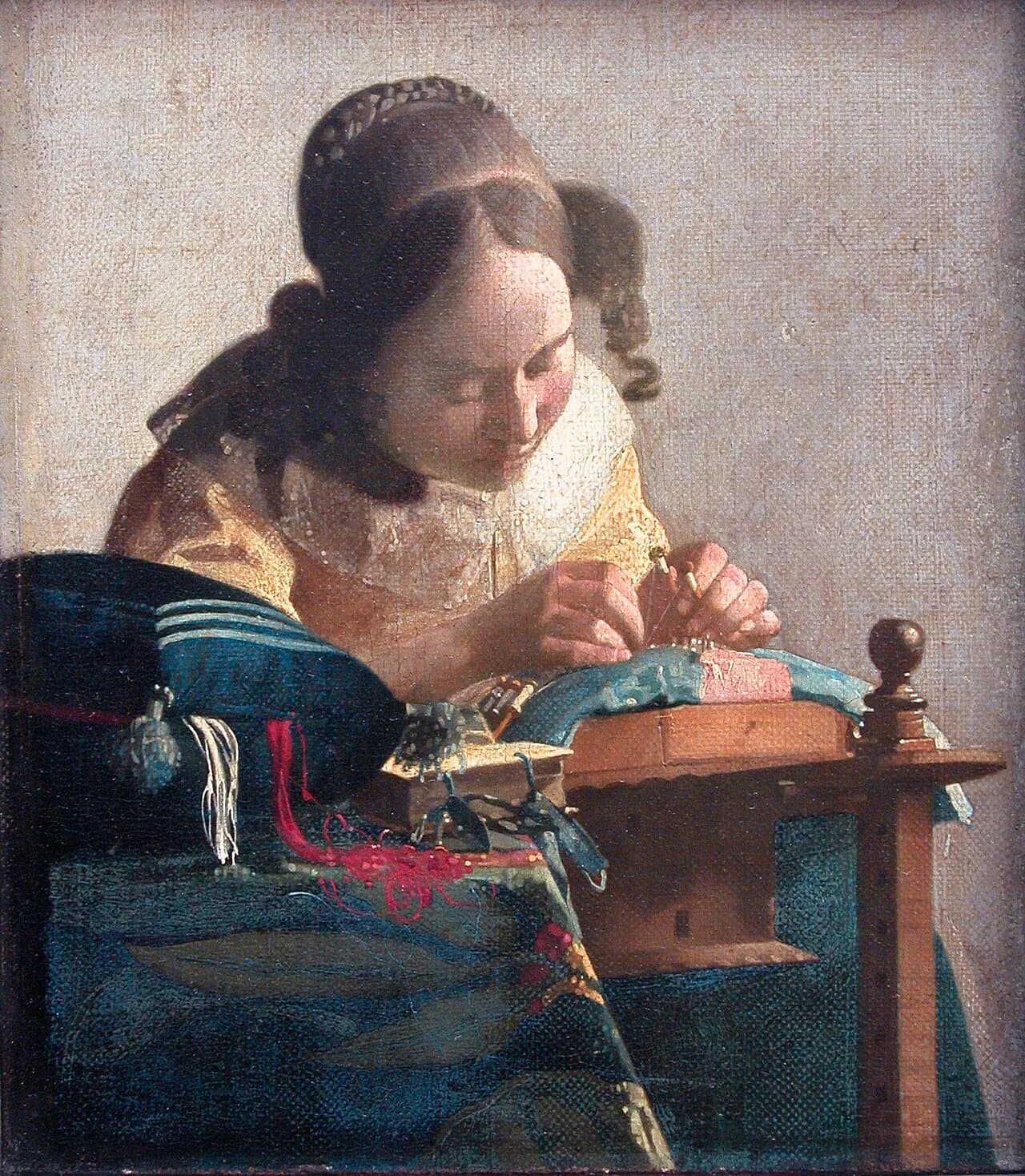 Video
VideoPaul Graham on why starting with a “small, intense fire" is the key to startup growth
Paul Graham
Mar 2026 · 1 min read
Growth starts with a small, intense fire: a few users who want it badly, not many who mildly like it.
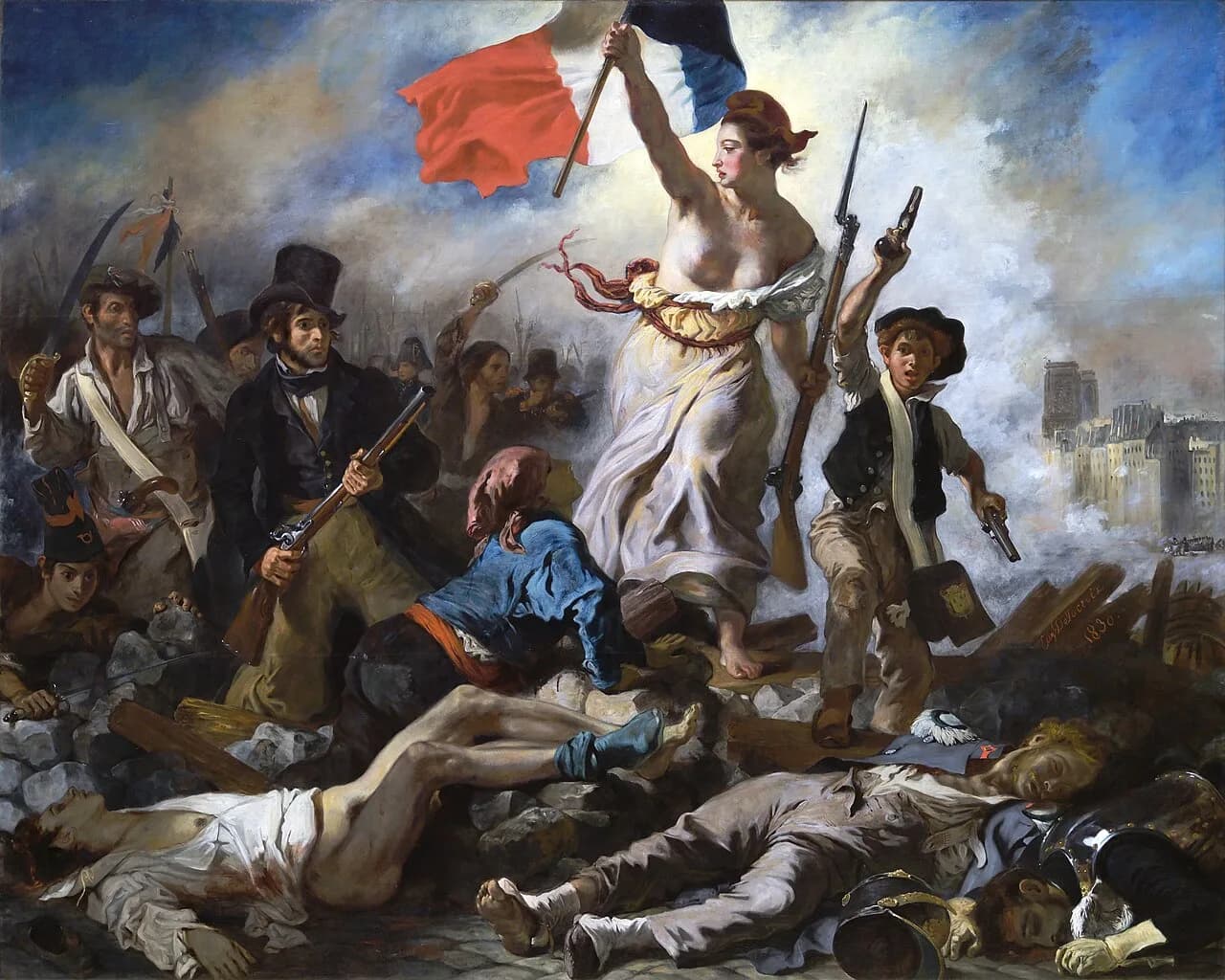 Essay
EssayFounder Mode
Paul Graham
Sep 2024 · 5 min read
Founder mode—how founders run companies—works better than manager mode, the standard advice they're given.
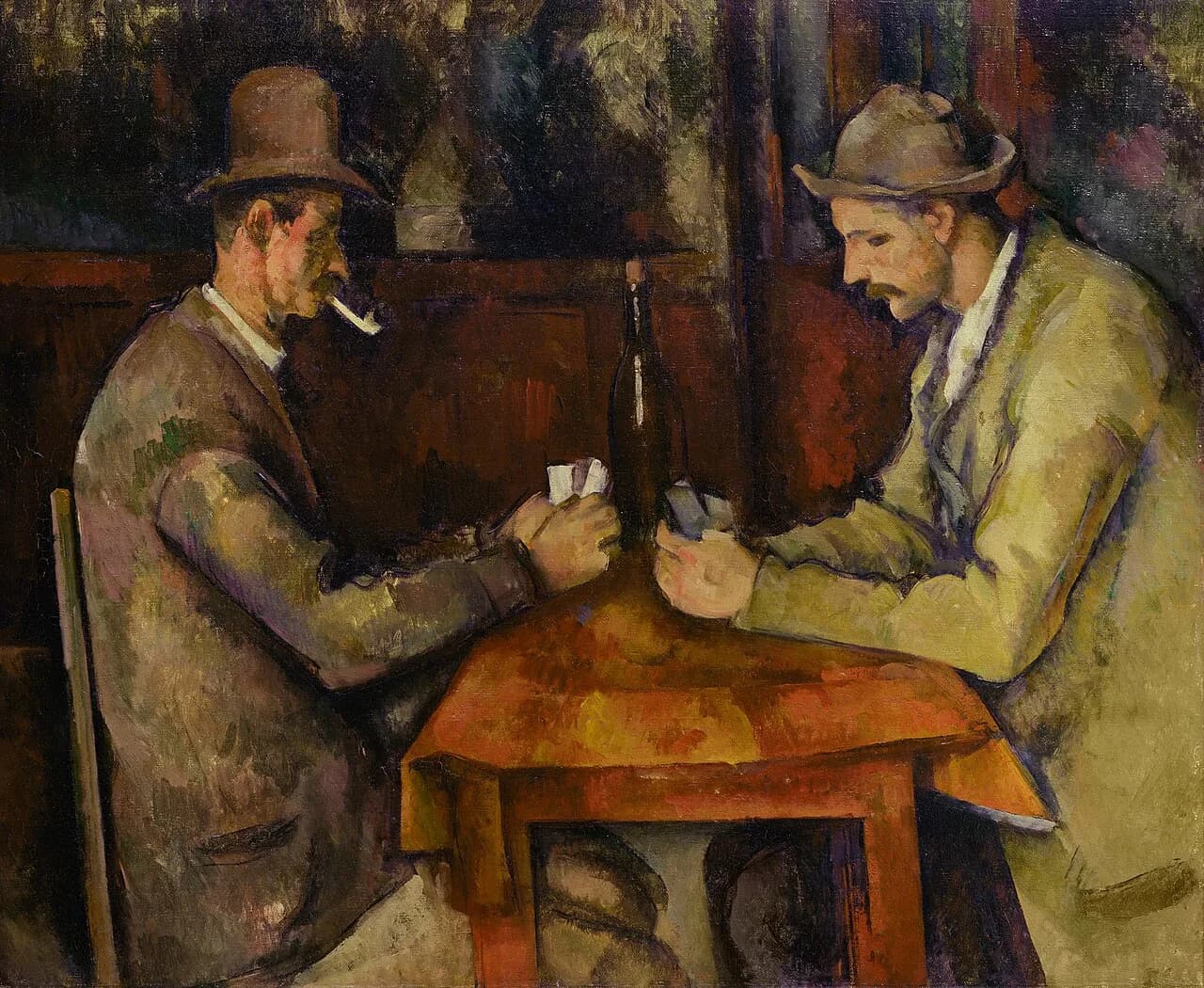 Essay
EssayWhen to Do What You Love
Paul Graham
Sep 2024 · 7 min read
When to pursue work you love versus work that pays well depends on your ambitions and the actual odds of success in your chosen field.
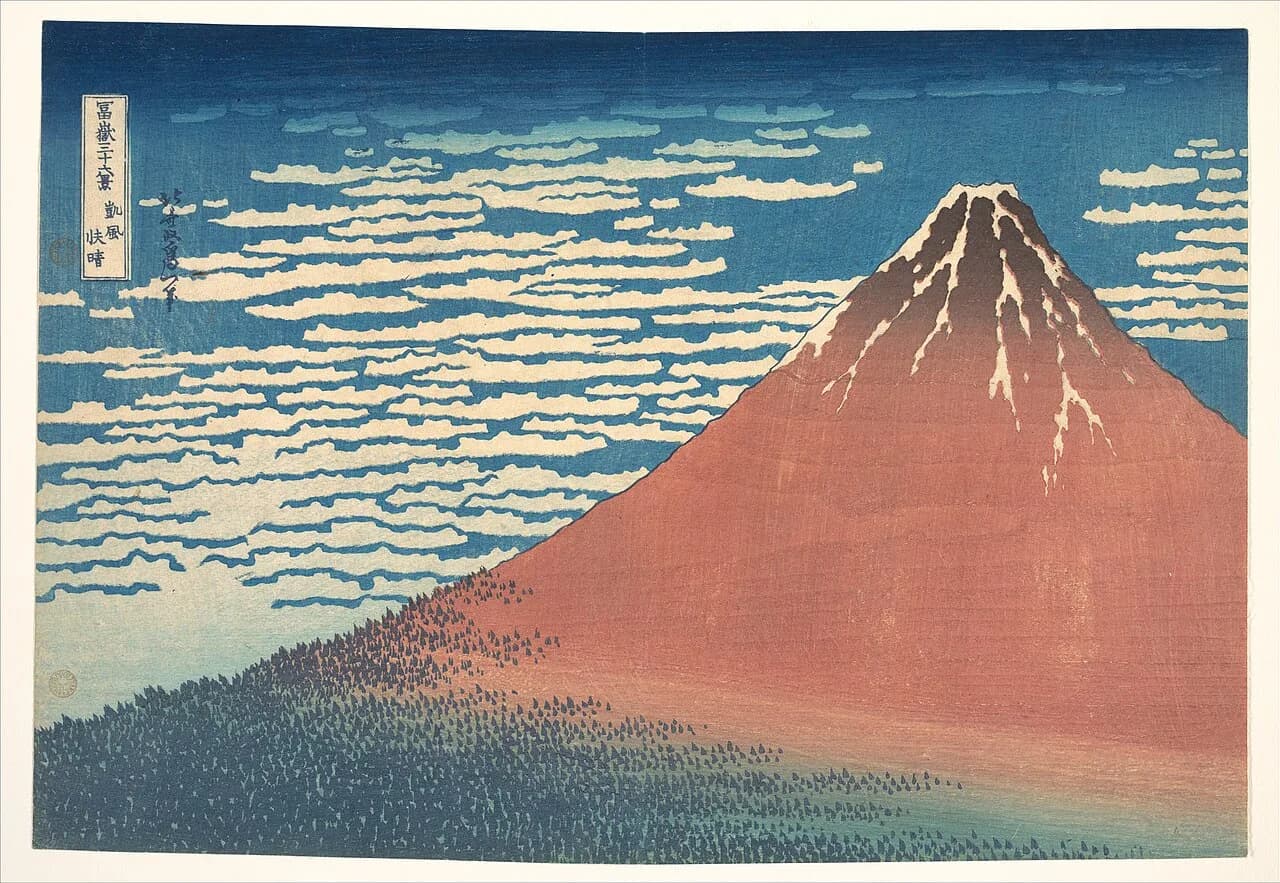 Essay
EssaySuperlinear Returns
Paul Graham
Oct 2023 · 19 min read
In most fields, small differences in performance create outsized differences in results because of exponential growth and thresholds.